Every second ad on Instagram seems to be selling some miracle teeth whitening at home kit promising salon results overnight. Some of these methods genuinely work; a lot of them are, frankly, a waste of money — or worse, mildly damaging to your enamel if overused.
I tried three different whitening products myself over the past couple of years before landing on what actually made a visible, lasting difference. Spoiler: it wasn’t the most heavily advertised one.
Let’s separate what’s backed by actual evidence from what’s just clever marketing.
Understanding Why Teeth Discolor in the First Place
Before jumping into solutions, it helps to know what you’re actually dealing with.
Teeth discoloration happens through two main pathways — extrinsic staining from food, drinks, and tobacco sitting on the enamel surface, and intrinsic discoloration from within the tooth structure, often due to aging or certain medications.
Extrinsic stains respond well to teeth whitening at home methods; intrinsic discoloration usually needs professional treatment for meaningful results.
Whitening Toothpaste: Modest but Real Results
Whitening toothpastes work primarily through mild abrasives and sometimes low-concentration peroxide, targeting surface stains specifically.
Whitening Strips: The Most Reliable At-Home Option
Among teeth whitening at home methods, whitening strips generally deliver the most consistent, visible results backed by decent research.
Some mild tooth sensitivity during the treatment period is common and usually temporary, resolving within a few days of stopping use.
Baking Soda: Helpful in Moderation, Risky in Excess
This is a genuinely popular home remedy, and it does have some merit — but moderation matters a lot here.
Activated Charcoal: Mostly Hype, Some Risk
Charcoal-based teeth whitening at home products have gotten hugely popular on social media, but the actual evidence doesn’t fully support the hype.
Oil Pulling: Good for Oral Health, Not Really for Whitening
Oil pulling (swishing coconut or sesame oil in your mouth) has genuine oral health benefits for reducing bacteria, but it’s not a proven whitening method despite popular claims.
[link to related article on oral hygiene routine here]
Professional Options Worth Considering
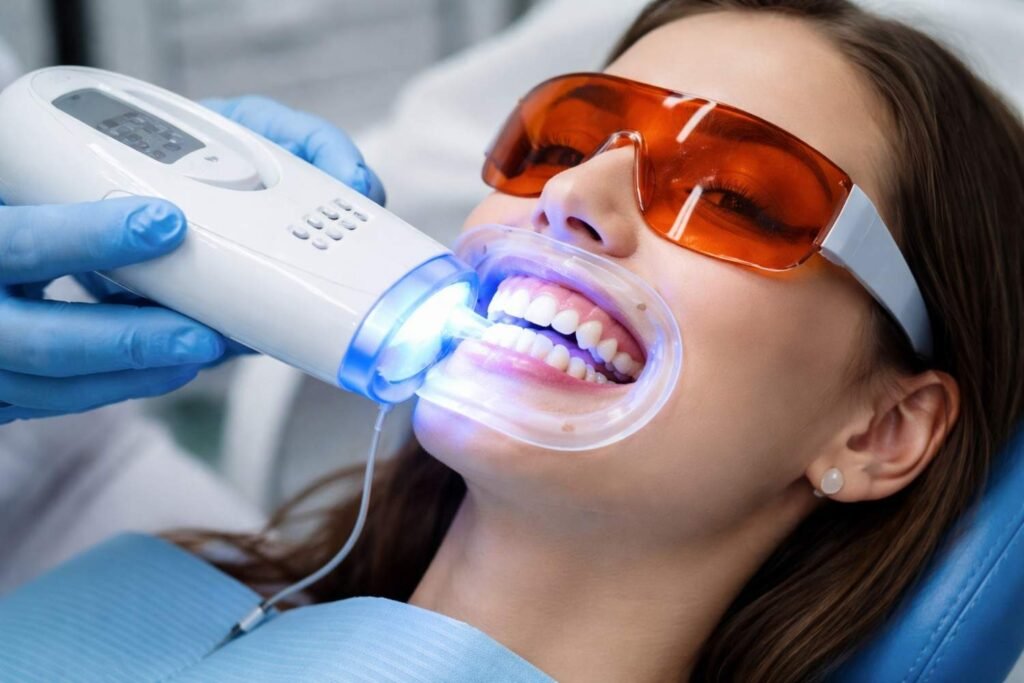
If teeth whitening at home methods aren’t giving you the results you want, professional options exist:
These cost more but offer noticeably better, longer-lasting results for significant discoloration.
Preventing Future Staining
Whitening is only half the equation — preventing new stains matters just as much for lasting results.
[link to related article on symptoms you should never ignore here]
FAQ
Q: How long do teeth whitening at home results typically last? Results generally last 4-6 months before touch-ups are needed, depending on diet and habits like coffee or tea consumption.
Q: Is teeth whitening at home safe for sensitive teeth? It can cause temporary increased sensitivity; those with already sensitive teeth should consult a dentist before starting any whitening regimen.
Q: Can yellow teeth actually become fully white? Whitening improves shade significantly but rarely achieves a completely uniform “paper white” look — that’s usually only possible with veneers or bonding.
Q: Are natural remedies like lemon juice safe for whitening? No, acidic remedies like lemon juice can actually erode enamel and should be avoided despite popular home remedy claims.
Q: How often can I safely use whitening strips? Follow the specific product’s instructions, typically once daily for the recommended treatment period, then pause before repeating a course.
Conclusion
Teeth whitening at home absolutely can work, but it genuinely depends on picking the right method and being realistic about what results to expect. Whitening strips offer the best balance of effectiveness and safety for most people, while some trendy options like charcoal simply aren’t worth the enamel risk. Before trying anything new, though, it’s worth checking in with your dentist, especially if you already deal with sensitivity — they can point you toward what’ll actually work for your specific teeth.
Suggested Alt Text: