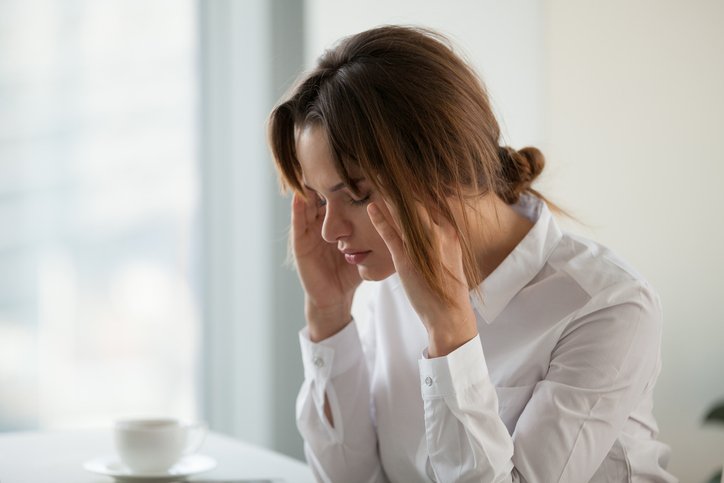
Irregular periods dismissed as “just stress.” Sudden weight gain blamed entirely on diet. Mood swings written off as “just how you are.” Hormonal imbalance in women gets misattributed to almost everything except what it actually is, largely because the symptoms overlap so heavily with everyday life stressors.
A colleague of mine spent nearly a year cycling through different explanations for her exhaustion and irregular cycles before a proper hormone panel finally revealed what was actually going on. She wasn’t imagining it — the imbalance was real and measurable.
Let’s look at what actually signals this and what genuinely helps.
Common Signs That Get Overlooked
Hormonal imbalance in women shows up in ways that are frequently mistaken for other issues entirely.
Irregular or absent periods, unexplained weight changes, persistent fatigue, mood swings, and skin changes like adult acne are among the most common signs of hormonal imbalance in women, often appearing together rather than isolated.
Additional signs worth paying attention to:
Common Causes Behind the Imbalance
[link to related article on PCOS diet plan here]
The Thyroid Connection
Thyroid issues deserve special attention since they’re so frequently missed.
[link to related article on how to read blood test report here]
Diet’s Role in Managing Hormonal Balance
Stress Management Genuinely Matters Here
This connection surprises people, but chronic stress and hormonal balance are deeply intertwined.
[link to related article on how to manage work stress here]
Exercise: The Right Amount Matters
When to See a Doctor
Getting proper hormone testing (including thyroid, insulin, and reproductive hormones) provides far more clarity than guessing based on symptoms alone.
FAQ
Q: At what age does hormonal imbalance typically start? It can occur at any reproductive age, though perimenopause-related imbalances typically begin in the late 30s to mid-40s.
Q: Can hormonal imbalance in women be completely reversed? Many causes, like thyroid dysfunction and PCOS, can be effectively managed with proper treatment, though “reversal” depends on the underlying cause.
Q: Is weight gain always a sign of hormonal imbalance? Not always, but unexplained, sudden weight changes alongside other symptoms are worth investigating rather than assuming it’s purely diet-related.
Q: Do birth control pills fix hormonal imbalance? They can regulate symptoms like irregular periods, but they mask rather than address underlying causes — worth discussing long-term approaches with your doctor.
Q: How is hormonal imbalance actually diagnosed? Through blood tests measuring specific hormone levels, combined with a discussion of symptoms and menstrual history with your doctor.
Conclusion
Hormonal imbalance in women is genuinely common, yet it remains under-discussed and frequently misattributed to stress or lifestyle alone. If several of these signs feel familiar and have persisted for months, it’s worth pushing for proper hormone testing rather than accepting vague explanations. You know your body better than anyone else — trust that instinct and advocate for the answers you deserve.
Suggested Alt Text: