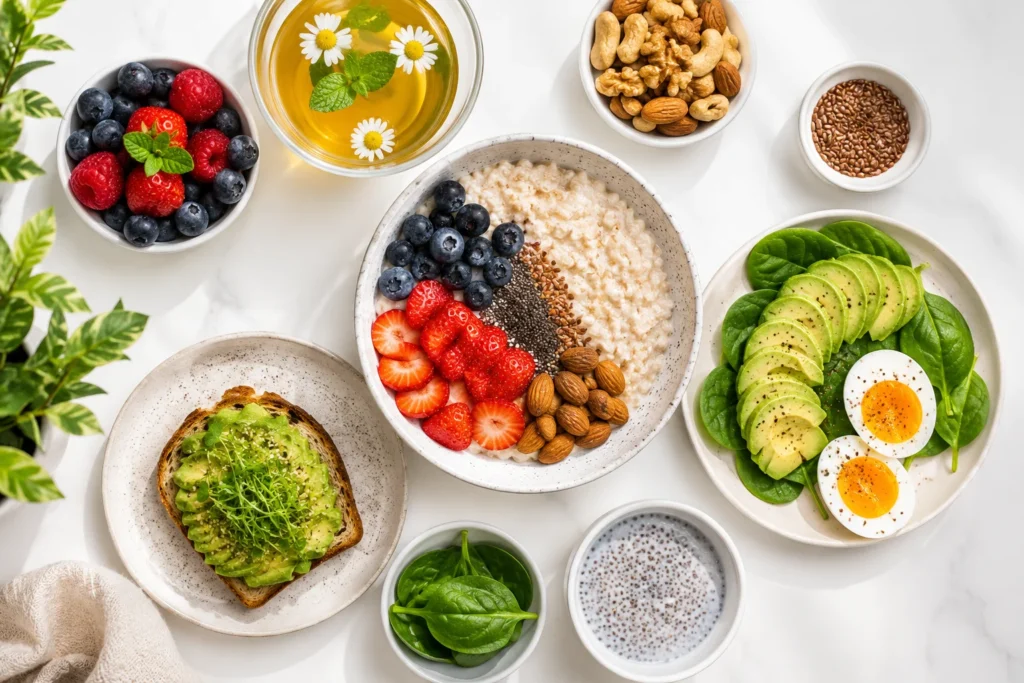
Getting a PCOS diagnosis often comes with a flood of conflicting advice — cut carbs entirely, go keto, try this supplement. A genuinely effective PCOS diet plan doesn’t need to be extreme; it needs to be consistent and specifically targeted at managing insulin resistance, which sits at the root of most PCOS symptoms.
A close friend of mine was diagnosed at 26, completely overwhelmed by the information overload online. What actually helped her wasn’t some drastic elimination diet — it was a handful of specific, sustainable changes over several months.
Let’s go through what genuinely helps.
Understanding the PCOS-Insulin Connection
This is the piece most generic diet advice misses entirely.
Up to 70% of women with PCOS have some degree of insulin resistance, meaning a PCOS diet plan focused on stabilizing blood sugar and reducing insulin spikes tends to be far more effective than generic calorie-focused approaches.
Understanding this connection changes how you should actually approach food choices.
Prioritize Low Glycemic Index Foods
Foods that don’t spike blood sugar rapidly are central to any effective PCOS diet plan.
Include Adequate Protein at Every Meal
Protein helps slow glucose absorption and supports satiety, both genuinely helpful for PCOS management.
[link to related article on high protein vegetarian diet here]
Healthy Fats Support Hormonal Balance
Foods to Limit or Avoid
This doesn’t mean total elimination forever — occasional treats are fine within an otherwise balanced PCOS diet plan.
The Role of Fiber
Fiber slows digestion, helps manage blood sugar, and supports gut health, which research increasingly links to hormonal balance.
Sample Day on a PCOS-Friendly Diet
Breakfast: Vegetable and paneer stuffed paratha (whole wheat) with curd Mid-morning: A handful of nuts and a piece of fruit Lunch: Dal, brown rice or millet, a vegetable sabzi, salad Evening: Roasted chana or a small bowl of sprouts Dinner: Grilled tofu/paneer or lean protein with sautéed vegetables
[link to related article on anti inflammatory foods here]
Lifestyle Factors That Support a PCOS Diet Plan
Diet alone isn’t the entire picture for PCOS management.
[link to related article on how to manage work stress here]
FAQ
Q: Can a PCOS diet plan alone cure PCOS? No, PCOS isn’t “cured” through diet, but a well-structured eating approach can significantly manage symptoms and improve quality of life.
Q: Do I need to completely avoid carbohydrates with PCOS? No, complete carb elimination isn’t necessary or sustainable — focus on choosing lower glycemic index carbohydrate sources instead.
Q: How long before diet changes improve PCOS symptoms? Many women notice improvements in energy and cycle regularity within 2-3 months of consistent dietary changes.
Q: Is dairy bad for PCOS? Research is mixed; some women find dairy worsens symptoms while others tolerate it fine. Pay attention to your own body’s response.
Q: Should I take supplements for PCOS alongside diet changes? Some supplements like inositol and vitamin D show promise, but consult your doctor before starting any, since individual needs vary significantly.
Conclusion
A well-structured PCOS diet plan genuinely helps manage symptoms, but it works best as part of a broader approach including movement, sleep, and stress management, not as an isolated fix. Start by focusing on protein at breakfast and swapping refined carbs for whole grain alternatives this week. Small, sustainable shifts like these tend to stick far better than restrictive diets that inevitably burn out within weeks.
Suggested Alt Text: