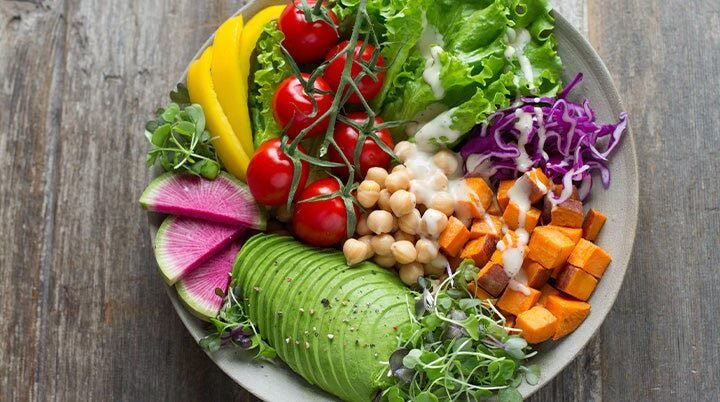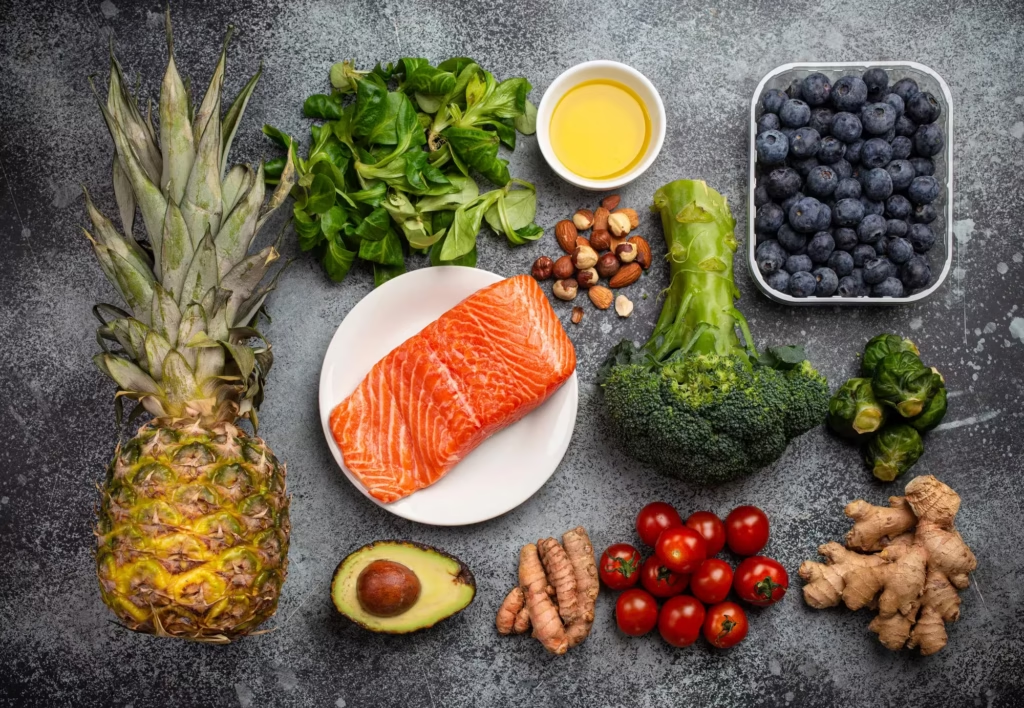
Joint pain that doesn’t quite make sense. Constant low-grade fatigue. Skin that flares up for no clear reason. Chronic inflammation shows up quietly, and most people never connect the dots back to their plate. Adding more anti inflammatory foods to your daily diet is one of the simplest, most underrated changes you can actually make.
I noticed this firsthand when a relative with mild arthritis started incorporating turmeric and fatty fish regularly — nothing drastic, just consistent small changes — and reported noticeably less joint stiffness within about six weeks.
Let’s look at what the science and, honestly, real experience actually supports.
Understanding Chronic vs Acute Inflammation
Not all inflammation is bad — acute inflammation is your body’s normal healing response to injury or infection. The problem is chronic, low-grade inflammation that persists for months or years, quietly contributing to heart disease, diabetes, and joint problems.
A diet rich in anti inflammatory foods, combined with limiting processed sugar and refined carbs, can measurably reduce inflammatory markers like CRP within 4-6 weeks for many people.
Fatty Fish and Omega-3 Sources
Fish like salmon and mackerel are packed with omega-3 fatty acids, among the most researched anti inflammatory foods available.
Turmeric and Ginger
Classic Indian kitchen staples that happen to be genuinely powerful anti inflammatory foods.
Curcumin, the active compound in turmeric, has been studied extensively for its anti-inflammatory effects, though absorption improves significantly when paired with black pepper.
Leafy Greens and Colorful Vegetables
Berries and Antioxidant-Rich Fruits
Nuts and Seeds
Foods That Work Against You
Just as important as adding good foods is reducing what actively drives inflammation:
Picture someone snacking on packaged namkeen and sugary tea multiple times a day at their desk job — that pattern, repeated daily for years, adds up to meaningful chronic inflammation over time, even without any single “bad” meal standing out.
[link to related article on foods for heart health here]
Building a Practical Anti-Inflammatory Meal
You don’t need to overhaul your entire diet overnight. A simple approach:
[link to related article on high protein vegetarian diet here]
FAQ
Q: How quickly do anti inflammatory foods start working? Some people notice reduced joint stiffness or better energy within 3-4 weeks, though full benefits typically build over 2-3 months of consistent eating.
Q: Can diet alone manage chronic inflammation? Diet plays a major role, but it works best combined with regular exercise, adequate sleep, and stress management for meaningful results.
Q: Are anti inflammatory foods expensive? Not necessarily — turmeric, ginger, seasonal vegetables, and lentils are affordable staples already common in most Indian kitchens.
Q: Is turmeric milk actually effective for inflammation? Yes, particularly when combined with black pepper for better curcumin absorption, though it works best as part of an overall anti-inflammatory diet, not a standalone fix.
Q: Should I avoid all fats to reduce inflammation? No, healthy fats like those in nuts, seeds, and fish are actually anti-inflammatory. It’s trans fats and excessive fried food that cause problems.
Conclusion
Chronic inflammation builds up quietly over years, so reversing it takes patience too — there’s no overnight fix here. Start incorporating more anti inflammatory foods into your regular meals this week: a bit more turmeric in your dal, a handful of walnuts as a snack, fish twice a week if that works for you. Small, sustained changes to what’s on your plate genuinely add up to real, measurable differences in how your body feels over the coming months.
Suggested Alt Text: