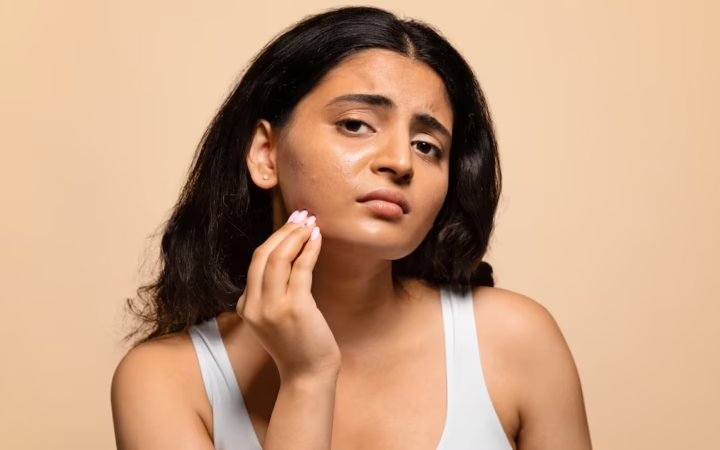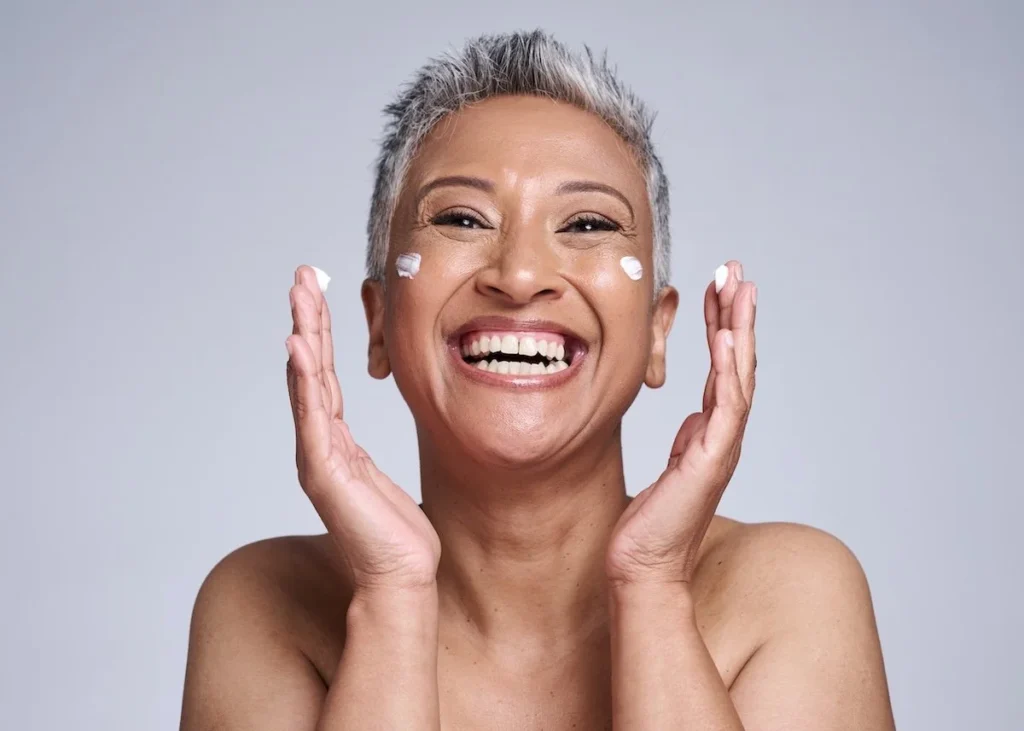
Every skincare aisle is flooded with anti-aging promises, half of them backed by nothing more than clever marketing copy. Real anti aging skincare tips, the ones dermatologists actually stand behind, are honestly a lot less glamorous — and a lot more effective — than most of what’s being sold.
I spent years chasing expensive imported serums before a dermatologist finally told me plainly: sunscreen and retinol will outperform 90% of what’s on the shelf. She wasn’t wrong.
Here’s what genuinely works.
Sunscreen Is the Single Most Important Step
If you take away just one thing from these anti aging skincare tips, let it be this.
Daily sunscreen use is considered the single most effective anti-aging intervention available, since UV exposure accounts for up to 80% of visible skin aging, including wrinkles, sagging, and pigmentation.
Retinol: The Gold Standard Ingredient
Retinol (a vitamin A derivative) has decades of research behind it for genuinely reducing fine lines and improving skin texture.
Vitamin C for Morning Protection and Brightening
A solid vitamin C serum complements sunscreen well as part of effective anti aging skincare tips.
Don’t Skip Moisturizer, Even With Oily Skin
Well-hydrated skin genuinely looks more youthful and shows fine lines less prominently than dehydrated skin does.
Facial Massage and Gentle Technique Matter
This one’s underrated. Aggressive tugging and rubbing during cleansing or product application can actually contribute to premature sagging over years.
Sleep and Its Underrated Role in Skin Aging
Poor sleep genuinely accelerates visible aging — it’s not just an old wives’ tale.
[link to related article on morning wellness routine here]
Diet’s Role in Skin Aging
What you eat genuinely shows up on your skin eventually.
[link to related article on anti inflammatory foods here]
Building a Realistic Anti-Aging Routine
Here’s a genuinely sustainable structure incorporating these anti aging skincare tips:
Morning: Cleanser, vitamin C serum, moisturizer, sunscreen Night: Cleanser, retinol (alternate nights when starting), moisturizer
Consistency over months matters far more than any single “miracle” product.
FAQ
Q: At what age should I start using anti aging skincare products? Sunscreen and basic prevention should start in your 20s; active ingredients like retinol are typically introduced in the mid-to-late 20s or early 30s.
Q: Is retinol safe to use during pregnancy? No, retinol should be avoided during pregnancy and breastfeeding — consult your doctor for safe alternatives during this time.
Q: Do expensive anti-aging products work better than affordable ones? Not necessarily — effective ingredients like retinol and vitamin C are available at various price points; concentration and formulation matter more than brand price.
Q: How long before I see results from anti aging skincare tips? Most visible improvements in texture and fine lines take 8-12 weeks of consistent use to become noticeable.
Q: Can diet alone reverse visible skin aging? Diet supports skin health significantly, but topical treatments like sunscreen and retinol remain essential for meaningfully addressing visible aging signs.
Conclusion
The best anti aging skincare tips aren’t secret or expensive — they’re consistent sunscreen use, a well-tolerated retinol routine, and genuinely taking care of sleep and diet alongside your skincare. Skip the miracle claims and start with the basics this week: sunscreen every morning, retinol two nights a week. Give it three months before adding anything else to the mix.
Suggested Alt Text: