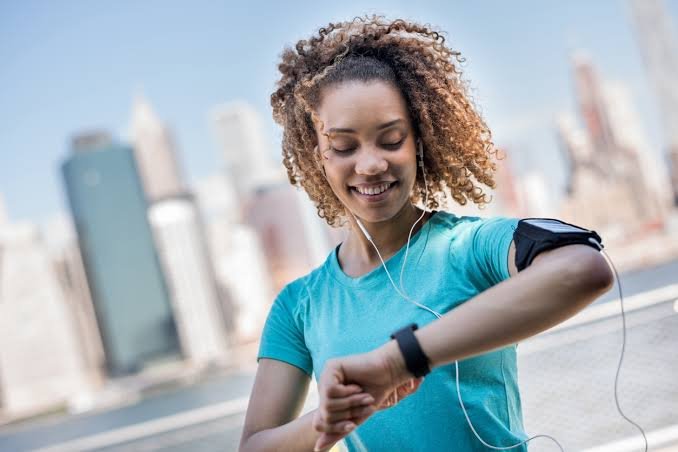
Everyone’s phone is quietly collecting health data these days, whether it’s steps, sleep, or heart rate — but most people barely glance at it. Choosing the best health tracking apps and actually using the data meaningfully is a genuinely different thing from just having the app installed and forgotten.
I started actively tracking my sleep and activity about a year ago, mostly out of curiosity, and honestly discovered patterns I never would’ve noticed otherwise — like how poorly I slept on days I had late evening screen time, something I’d always brushed off before.
Let’s look at what genuinely matters when choosing and using these tools.
What to Look for in a Health Tracking App
Not all apps are created equal, and the best health tracking apps share a few specific characteristics worth prioritizing.
The most effective health tracking apps combine accurate data collection with clear, actionable insights, rather than simply overwhelming users with raw numbers that are hard to meaningfully interpret.
Key features worth prioritizing:
Sleep Tracking Apps and Features
Sleep tracking has become genuinely sophisticated, moving beyond simple duration tracking.
Activity and Fitness Tracking
[link to related article on home workout for beginners here]
Nutrition and Food Tracking Apps
Among the best health tracking apps, food logging tools have become significantly more user-friendly with barcode scanning and large food databases.
[link to related article on high protein vegetarian diet here]
Mental Health and Mood Tracking
[link to related article on signs of anxiety disorder here]
Chronic Condition Management Apps
For people managing conditions like diabetes or hypertension, specialized tracking apps offer significant value.
Privacy Considerations Before Choosing an App
This is genuinely important and often overlooked in the excitement of a new app.
Making Data Actually Useful
Collecting data is only valuable if you actually use it to inform decisions.
[link to related article on how to read blood test report here]
FAQ
Q: Are the best health tracking apps free or do they require payment? Many offer solid free versions with basic tracking, while premium features (advanced analytics, personalized coaching) often require subscriptions.
Q: How accurate is step counting and heart rate tracking on phones versus wearables? Wearables generally offer more consistent accuracy than phone-only tracking, particularly for heart rate during activity, though phone tracking works reasonably well for basic step counts.
Q: Should I share my health app data with my doctor? Yes, particularly trend data like blood pressure or blood sugar patterns can provide valuable context during medical appointments.
Q: Can health tracking apps diagnose medical conditions? No, these apps are tools for awareness and pattern recognition, not diagnostic tools — always consult a doctor for actual medical concerns.
Q: How do I choose between the many best health tracking apps available? Prioritize based on your specific goals (sleep, fitness, chronic condition management), then compare accuracy, usability, and privacy practices among top options.
Conclusion
The best health tracking apps genuinely offer valuable insight into patterns you’d likely never notice otherwise, but the real value comes from actually reviewing and acting on that data, not just collecting it passively. Pick one or two areas that matter most to you right now — sleep, activity, or a specific health condition — rather than trying to track everything simultaneously. Give it a month of consistent use before deciding what’s genuinely useful for your specific situation.
Suggested Alt Text: