A single fall can change everything for an older adult — a fractured hip, a long recovery, sometimes a complete shift in independence. Fall prevention for elderly family members isn’t something to think about only after an accident happens; it genuinely needs to be proactive.
My grandmother fell in her bathroom two years ago, thankfully with only minor injuries, but it was a wake-up call for our entire family. We ended up making several simple home changes that, honestly, should’ve happened years earlier.
Let’s go through what actually reduces fall risk.
Understanding Why Falls Happen More With Age
Several age-related factors combine to increase fall risk significantly.
Falls are the leading cause of injury-related hospitalizations among adults over 65, often resulting from a combination of reduced muscle strength, balance issues, vision changes, and home hazards that go unaddressed.
Recognizing these combined factors is the first step toward genuine fall prevention for elderly loved ones.
Making the Home Safer
Home modifications form the backbone of effective fall prevention for elderly family members.
Picture an elderly parent reaching up to a high shelf for something used daily — that repeated small risk adds up over time. Simple reorganization removes it almost entirely.
Bathroom-Specific Safety Measures
Bathrooms are, statistically, one of the highest-risk areas in the home.
Footwear and Clothing Matter More Than People Realize
Strength and Balance Exercises
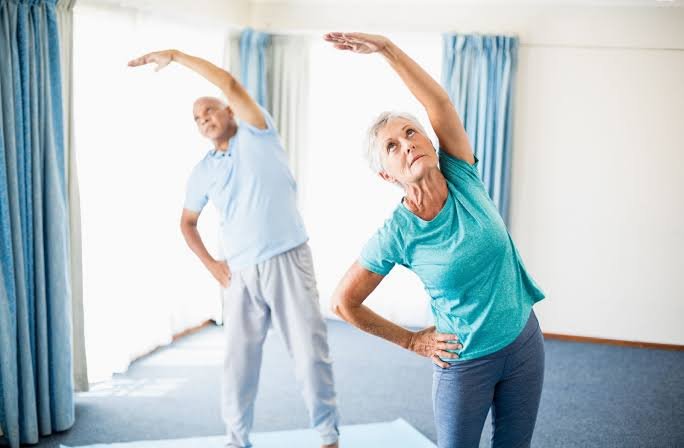
Physical conditioning is genuinely one of the most effective long-term fall prevention for elderly strategies.
[link to related article on exercises for seniors here]
Vision and Hearing Checks
Medication Review
This is genuinely underrated as a fall prevention strategy.
Assistive Devices Aren’t a Sign of Weakness
Many older adults resist using canes or walkers, associating them with dependence.
[link to related article on symptoms you should never ignore here]
FAQ
Q: What’s the single most effective fall prevention for elderly change to make first? Bathroom safety modifications typically offer the highest immediate impact, given how many falls occur in that specific space.
Q: Should elderly parents living alone use a medical alert device? Yes, this is genuinely worth considering, providing peace of mind and faster help access if a fall does occur despite prevention efforts.
Q: Can exercise really reduce fall risk in older adults? Yes, significantly — balance and strength training programs have strong evidence for meaningfully reducing fall incidence.
Q: How often should elderly family members get their vision checked? Annually is generally recommended, or sooner if any vision changes are noticed.
Q: Is it normal for older adults to feel dizzy when standing up quickly? This can indicate orthostatic hypotension, common with age or certain medications — worth discussing with a doctor rather than dismissing as normal.
Conclusion
Fall prevention for elderly loved ones genuinely requires a combination of home safety changes, physical conditioning, and proactive medical checkups — not just reacting after an accident already happens. Walk through your parent’s or loved one’s home this week with fresh eyes, looking specifically for the hazards discussed here. A few hours of proactive changes now could prevent a genuinely life-altering injury down the line.
Suggested Alt Text: